
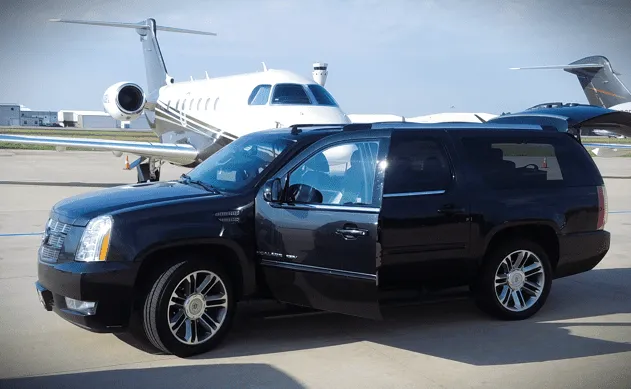
When a company sends people to Athens, its responsibility for them does not stop at the arrivals hall. Duty of care covers the whole visit, and in a city of this size the part most likely to go wrong is the part that gets the least thought: the time spent in a car. Most travel risk in Athens is ordinary. The issues are traffic, a driver who does not turn up, an itinerary shared too widely, or a vehicle that waits in the same place for an hour. Good executive transport is designed around these ordinary risks first.
This guide sets out what that looks like in practice, and what to ask before you book anyone.
Why the car is where duty of care is tested
A visiting executive spends a large share of the day either in a vehicle or waiting for one: the airport, the hotel, the office, a lunch, a site visit, the evening. Every one of those moments is predictable to anyone who knows the schedule. That is why secure transport is not the same thing as a luxury car. The vehicle matters far less than three questions:
- Who is driving, and what have they been trained and briefed to do?
- Who knows the plan, and how far has it travelled?
- What happens when the plan changes, as it almost always does?
A provider who answers those three well will usually be a good choice, whatever badge is on the bonnet.
The driver is the security measure
In executive transport the driver is the one person present for the entire journey, so the driver is the security arrangement. What separates a security-minded driver from a chauffeur is mostly invisible:
- They arrive early and look at the pick-up point before the passenger appears.
- They know at least one alternative route for every leg and do not need to stop and consult a map when the first is blocked.
- They notice when the same vehicle appears twice, or when someone is too interested in the car.
- They keep their phone, their conversation and their social media to themselves.
None of this requires theatre. The best drivers look exactly like well-presented chauffeurs, and that is the point. Our executive security transfer service is built on the same principle: drivers trained in defensive driving and route awareness, presented as discreet professionals.
Planning the journey, not just booking it
Before arrival
A short written plan does more than any vehicle upgrade. It should record the flight details, the meeting point, the vehicle and driver, the first destination, a contact on both sides and what to do if the flight is delayed or diverted. Flight status should be monitored so that the car is ready when the passenger lands, not when the timetable says they will.
Airport arrivals
Athens International Airport is busy, and the arrivals hall is where a visitor is most predictable: tired, carrying luggage and looking for a name. A few habits remove most of the exposure:
- The greeting sign should not show the passenger’s full name or company. A reference word agreed in advance works better.
- The driver should confirm the passenger’s identity before loading luggage.
- The route from the terminal should already be decided, with an alternative.
During the visit
Routes and timings should vary where possible, especially on repeat trips between the same hotel and office. Waiting is a risk in itself, so the vehicle should be close to departure but not parked at the same kerb for long periods. When plans change, and in Athens they usually do, the change should go through one person who can update the driver, the passenger and anyone else who needs to know.
Information discipline
A great deal of transport risk comes from information rather than from the road. Itineraries are emailed to large distribution lists, posted in shared calendars or mentioned in conversations with hotel staff. A sound arrangement keeps the schedule to the people who need it. That means the passenger, one coordinator and the driver, with timings confirmed close to departure. Drivers should never publish photographs of passengers, vehicles or locations, and that rule belongs in writing.
Matching the vehicle to the need
Most executive movements in Athens need a comfortable, well-maintained, unremarkable car and a capable driver. Larger groups may need a second vehicle or a minibus so that people are not squeezed in or split up without a plan. Higher-profile visits can call for an escort vehicle or for transport to be combined with close protection. The honest answer to “what do we need?” comes from looking at the person, the schedule and the exposure, not from choosing the most impressive option. Over-securing a visit attracts attention and can create the very interest it was meant to avoid.
Questions to ask any transport provider
Before engaging a provider for secure transport in Athens, it is reasonable to ask:
- Who exactly will drive, and what training and briefing do they receive? “A professional driver” is not an answer.
- How do you handle a delayed or diverted flight? Look for live monitoring and a clear process.
- Who sees the itinerary? The answer should be a short list of named roles.
- What happens if the vehicle or driver becomes unavailable? There should be a replacement plan, not an apology.
- Can you combine transport with protection or with a static presence at the hotel or residence? For some visits, a single coordinated arrangement is safer than three separate suppliers.
- How do you confirm identities at pick-up? A simple, pre-agreed method is a good sign.
- What is written down? Duty of care is easier to show when the plan, the contacts and the instructions exist on paper.
Recurring arrangements for companies
Companies that host visitors regularly gain most from a standing arrangement rather than one-off bookings. A small pool of the same drivers means visitors are not handed to a stranger each time. Driver and coordinator learn the company’s offices, preferred hotels and routines. Predictable pricing removes the temptation to cut corners on a busy week. It is also easier to keep information discipline when the same few people are involved.
Bringing it together
Secure executive transport is mainly a matter of preparation: a capable driver, a written plan, a short distribution list and a clear way of handling change. When those are in place, the journey is uneventful, and that is exactly what duty of care should look like.
If you are planning visits to Athens and would like to talk through the arrangements, contact us or call +30 690 856 0514. We will start with the schedule and the people involved, and recommend only what the visit actually needs.